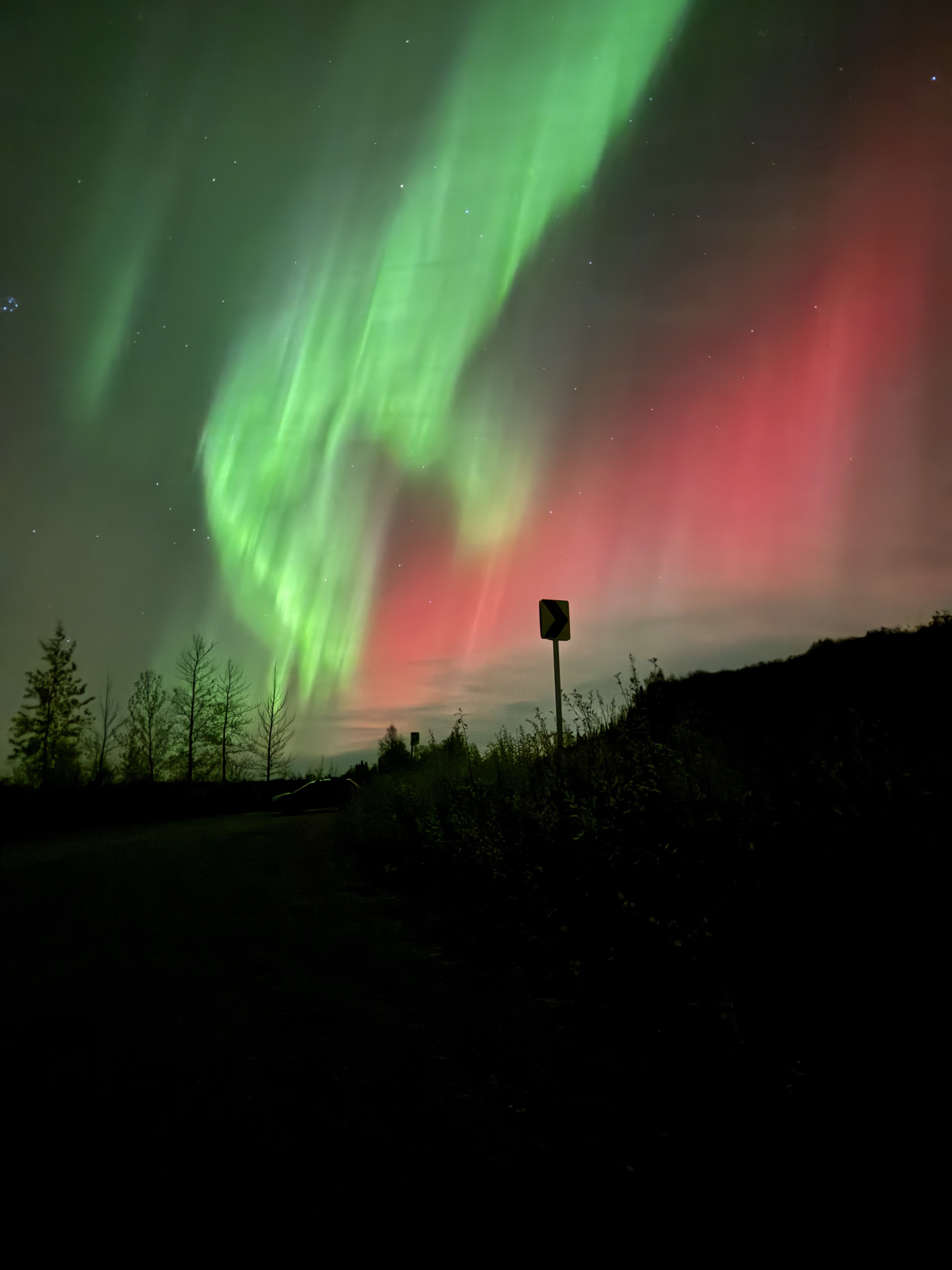
From mid August to mid April, Fairbanks becomes one of the best spots on Earth to witness the Northern Lights . With long, clear nights and minimal light pollution, the city’s location under the Auroral Oval means consistent activity and stunning displays.
Aurora season in Fairbanks, Alaska, officially runs from **mid August through mid-April**, a time when the long, dark nights create the perfect stage for one of nature’s most spectacular phenomena—the Northern Lights. While many think winter is the only time to view the aurora, fall and early spring also offer excellent opportunities. The key is darkness—something Fairbanks has in abundance thanks to its northern latitude. Fairbanks is uniquely positioned directly beneath the **Auroral Oval**, a ring-shaped zone around the Earth’s geomagnetic pole where aurora activity is strongest. Unlike other destinations where aurora sightings are hit-or-miss, Fairbanks delivers consistent visibility during the season—especially under clear skies and during solar activity peaks like the current **solar maximum**. This makes Fairbanks one of the most reliable aurora viewing locations in the world. Besides its location, what sets Fairbanks apart is its infrastructure. The city is remote enough to avoid light pollution but still accessible and comfortable. You can chase the aurora from lodges, roadside pull-offs, or even while soaking in hot springs. Local tours—like those with heated trucks and expert guides—take visitors directly into prime viewing zones without sacrificing warmth or convenience. Whether you’re visiting in September with fall colors under the lights or deep in February when the aurora dances in the crisp Arctic air, Fairbanks offers **an unmatched aurora experience**. For the best results, stay for multiple nights and keep an eye on forecasts. When it comes to chasing the aurora, **Fairbanks is the real deal**.